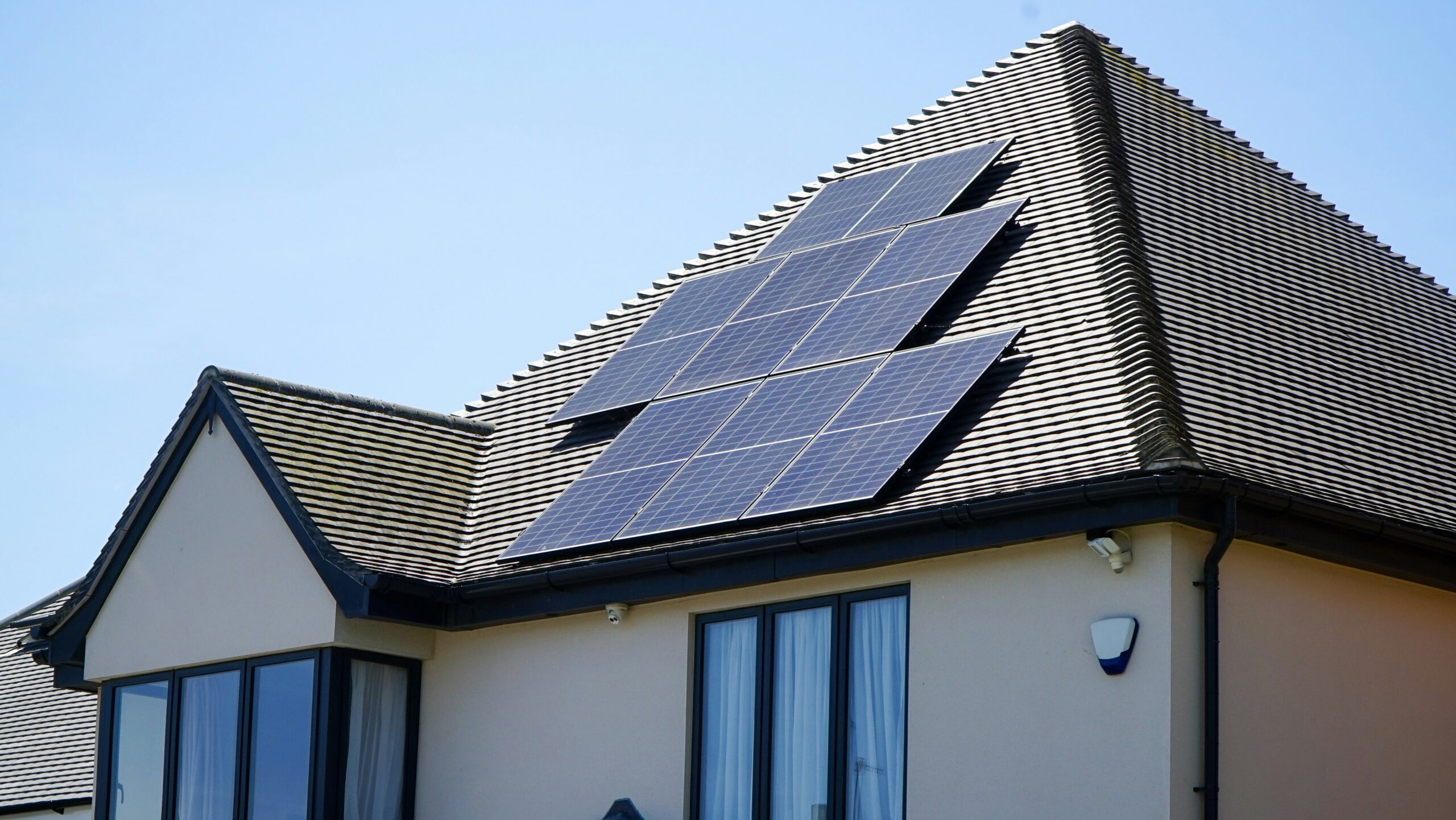

Short answer: the 30% federal tax credit that homeowners used to claim for buying solar panels ended on December 31, 2025. A different federal credit still exists, but only the company that owns the system can claim it, which means it matters only if you lease the system or buy its power through a PPA. Last reviewed: October 17, 2026.
What changed
The homeowner credit was known as the Residential Clean Energy Credit, or Section 25D. It let you subtract 30% of the cost of a solar system from your federal income tax. In July 2025, Congress passed the “One Big Beautiful Bill,” which ended that credit after December 31, 2025, according to Solar.com’s tracking of the bill.
The earlier law would have kept the credit at 30% for years longer. The new law ended it early, with no gradual phase-down.
What this means if you buy solar in 2026
- Cash or loan purchases: there is no federal tax credit for the homeowner. You do not file IRS Form 5695 for a system you buy in 2026 or later.
- Your cost is higher than it would have been with the credit, so the payback period is longer. We show how much longer in is solar worth it without the federal tax credit.
- Prices are not the problem. EnergySage reports that solar prices in 2026 are about the lowest they have been, with systems averaging around $2.60 per watt (see how much solar panels cost in 2026).
What still exists: the credit for leases and PPAs
There is a second federal credit, Section 48E, which is meant for businesses that own clean energy equipment. Solar companies that own the panels on your roof can still claim it for residential leases, power purchase agreements (PPAs) and prepaid versions of those products, through the end of 2027, according to Solar.com.
You do not claim this credit yourself. The company claims it and may pass part of the value to you through a lower monthly payment or a lower prepaid price. Solar.com describes these third-party-owned products as the only way for homeowners to benefit from a federal solar credit in 2026. The same source says home batteries may qualify when they are part of an eligible third-party-owned agreement.
Whether you actually get a better deal depends on how much of the credit the company passes on. Compare quotes, and see our guide to leases, loans, cash and PPAs.
If you installed solar in 2025
Systems installed and placed in service by December 31, 2025 still qualified for the 30% homeowner credit. Nothing in the new law takes the credit away from homeowners who claimed it properly. The credit is nonrefundable, so it only reduces the tax you owe. If your credit was bigger than your tax bill, the unused portion can generally be carried forward to future years. Solar.com has a separate explainer on carrying forward an unused credit. Check the IRS instructions for Form 5695 or ask a tax professional about your case.
State and local incentives still matter
With the federal credit gone, state and local programs make a bigger share of the difference. These can include state tax credits, rebates, property tax exemptions, sales tax exemptions and performance payments. Sources do not agree on which states are the best. Solar.com points to New York, New Jersey and Illinois as strong markets for owning solar, and notes that New York and Massachusetts offer state tax credits. EnergySage’s list of states with strong incentives includes Maryland, New York, Rhode Island, South Carolina and Washington, D.C.
The reliable approach is to check the rules for your own state and utility. The Database of State Incentives for Renewables and Efficiency (DSIRE) is the standard directory.
What to do now
- Get several quotes for both ownership (cash or loan) and third-party options (lease or PPA), written so you can compare the same system.
- Check your state and utility incentives before you decide.
- Run your own numbers with our solar savings calculator using your electricity price.
- Ask a tax professional if your situation is unusual, for example if you installed in 2025 or run a home office.
- Be skeptical of urgency. Some sellers still pitch “the 30% credit” as if it applies to new purchases. For purchases in 2026 it does not.
Frequently asked questions
Is there any federal tax credit for buying solar panels in 2026?
Not for homeowners who buy a system with cash or a loan. The business credit for leases and PPAs still exists through 2027.
Will the credit come back?
Nobody can promise that. Policy can change, so check current rules before you rely on any credit.
Does my state offer a solar tax credit?
Some do, and many offer other incentives. Look up your state and utility in DSIRE or on your utility’s website.
This article is for general information and is not tax or legal advice. Sources: Solar.com, EnergySage.